Source Recyclable Double Sided Tape Envelopes with Tear Strip for Office, Shipping, and Decoration
Find and compare 30 listings for recyclable double sided tape envelopes with tear strip. Evaluate options featuring BOPP materials, waterproof adhesives, and custom sizes for sealing plastic bags, office use, and general shipping packaging needs.
Key considerations
Products List


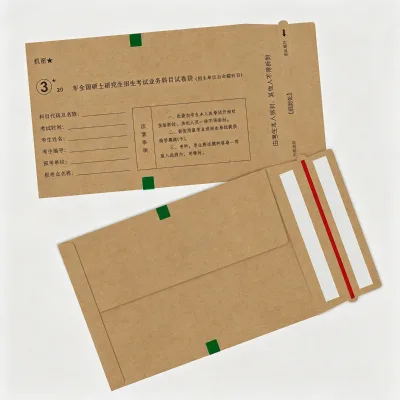


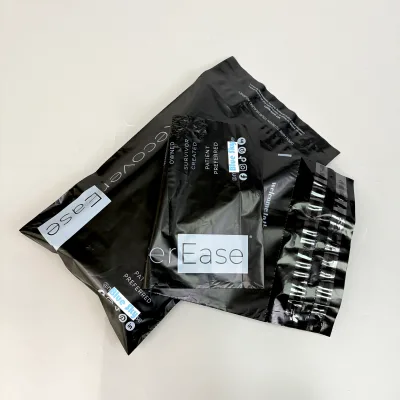



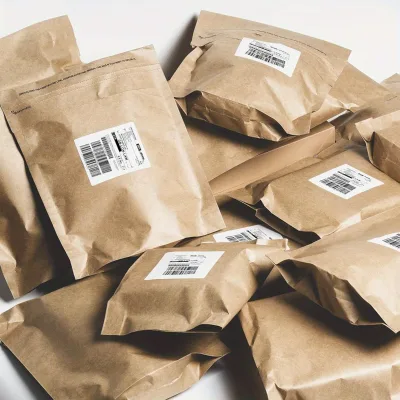
Comprehensive Sourcing Guide
Recyclable Double Sided Tape Envelopes with Tear Strip Sourcing Guide
Sourcing recyclable double-sided tape envelopes equipped with tear strips requires a nuanced understanding of material science, adhesive chemistry, and end-of-life processing. These products serve as a critical bridge between traditional paper-based packaging and modern sustainability mandates, offering the convenience of self-adhesive closure while maintaining compatibility with paper recycling streams. Buyers must recognize that "recyclable" is not a universal guarantee but a conditional state dependent on the specific adhesive formulation and the local recycling infrastructure. The presence of a tear strip adds a functional layer of user experience, allowing for quick, tool-free opening, which is highly valued in e-commerce and direct mail applications. However, this feature introduces additional complexity in the recycling process, as the separation of the tear strip material from the main envelope body can affect the purity of the recycled pulp.
The procurement landscape for these specialized envelopes is characterized by a high degree of customization and variability in supplier capabilities. While the core concept remains consistent, the execution varies significantly based on the manufacturer’s expertise in combining paper substrates with pressure-sensitive adhesives. Buyers often encounter a wide range of product models, from standard office-grade solutions to heavy-duty shipping packaging designed for industrial logistics. The market offers options ranging from transparent and white finishes to kraft paper variants, each with distinct aesthetic and functional properties. Understanding these variations is essential for aligning product selection with brand identity and operational requirements, ensuring that the chosen solution meets both performance standards and sustainability goals without compromising on durability or ease of use.
Product Scope and Observed Listing Signals
The observed market signals indicate a diverse range of product attributes that buyers must navigate when evaluating potential suppliers. Listings frequently highlight specific material compositions, such as BOPP (Biaxially Oriented Polypropylene) and kraft paper, which serve as the primary substrate for the envelopes. The adhesive types vary considerably, with water-based glues and hot melt adhesives being common choices, each offering different bonding strengths and environmental profiles. For instance, water-based adhesives are often preferred for their lower volatile organic compound (VOC) emissions and easier removal during the pulping process, whereas hot melt adhesives may provide stronger initial tack but require careful evaluation for recyclability. The color options range from transparent and white to natural kraft, allowing for branding flexibility, while the transparency level can be customized to meet specific visibility needs for contents or labels.
Functional specifications also play a crucial role in defining the product scope, with many suppliers offering customization in size, thickness, and standard roll lengths. Observed data points to standard lengths such as 10m, 20m, 30m, and 40m, with some suppliers providing bulk packaging options like 5000m per carton for industrial applications. The thickness of the tape or envelope material is often customizable, with observed standard thicknesses including 2mm, 3mm, and 4mm, although these dimensions should be verified against the specific application requirements. Additionally, the inclusion of features like tear strips, waterproofing, and dustproofing adds value but also necessitates rigorous testing to ensure that these enhancements do not hinder the recyclability of the final product. Buyers should pay close attention to the packaging details, such as regular packing, carton, or pallet options, as these impact logistics and storage efficiency.
Technical Specifications to Verify
Verifying technical specifications is paramount to ensuring that the selected envelopes meet both functional and sustainability criteria. The adhesive type is a critical factor, as it directly influences the ease of separation during the recycling process. Buyers should request detailed information on the adhesive formulation, specifically whether it is water-based or hot melt, and inquire about its behavior under standard pulping conditions. The substrate material, whether BOPP or kraft paper, must also be verified for its recyclability status in the target market. For example, BOPP films can sometimes complicate the recycling process if not properly separated, whereas kraft paper is generally more compatible with existing paper recycling streams. Additionally, the presence of a tear strip requires verification of its material composition and attachment method to ensure it does not contaminate the recycled pulp.
Other technical aspects to verify include the printing capabilities and surface treatments applied to the envelopes. Suppliers may offer flexo, offset, or copperplate printing, which can affect the ink composition and its impact on recyclability. Buyers should confirm that the inks used are soy-based or otherwise environmentally friendly to minimize contamination. The transparency and color of the product should also be aligned with the intended use case, whether for office decoration, sealing plastic bags, or general shipping packaging. Furthermore, the standard dimensions and thicknesses should be cross-referenced with the supplier’s production capabilities to ensure consistency and quality. It is advisable to request samples for physical testing, including adhesion strength, tear resistance, and ease of opening, to validate the technical claims before committing to a large order.
Compliance and Safety Documentation
Compliance and safety documentation are essential components of the procurement process, particularly when dealing with products intended for food, medical, or cosmetic packaging. Buyers must ensure that the suppliers provide relevant certifications and test reports that verify the safety and environmental impact of the materials used. This includes documentation on the adhesive’s compliance with food contact regulations, if applicable, and confirmation that the materials do not contain harmful substances such as heavy metals or phthalates. The recycling claims made by suppliers should be supported by credible third-party certifications or lifecycle assessments that demonstrate the product’s end-of-life compatibility with local recycling infrastructure. Without such documentation, the "recyclable" label may be misleading and expose the buyer to reputational and regulatory risks.
In addition to environmental compliance, safety documentation should cover the handling and storage requirements of the products. Adhesives, particularly hot melt types, may have specific temperature sensitivity that affects their performance and shelf life. Buyers should verify that the suppliers provide clear guidelines on storage conditions to maintain product integrity. Furthermore, the printing inks and any surface treatments should be evaluated for their safety in terms of off-gassing or residue transfer, especially for products used in sensitive applications like medical or food packaging. Requesting Material Safety Data Sheets (MSDS) and technical data sheets from suppliers can provide valuable insights into the chemical composition and handling requirements of the products. This due diligence helps mitigate risks associated with product liability and ensures that the procurement aligns with broader corporate sustainability and safety standards.
Cost Drivers and Commercial Terms
The cost of recyclable double-sided tape envelopes is influenced by several key drivers, including material costs, customization requirements, and order volume. The choice of substrate, such as BOPP versus kraft paper, and the type of adhesive used can significantly impact the base price. Customization options, such as specific sizes, colors, and printing designs, add to the complexity and cost of production. Suppliers often offer tiered pricing based on the order quantity, with lower prices available for larger volumes. However, buyers should be cautious of extremely low prices, as they may indicate compromises in material quality or sustainability claims. It is essential to request detailed quotations that break down the costs associated with materials, labor, and customization to make informed decisions.
Commercial terms and payment conditions also play a crucial role in the overall cost structure. Suppliers may offer various payment methods, including T/T, Western Union, and PayPal, each with different implications for cash flow and risk. Lead times are another critical factor, with typical production times ranging from 10 to 15 working days after design confirmation. Buyers should factor in these lead times when planning their inventory and supply chain logistics. Additionally, shipping terms such as EXW (Ex Works) can affect the total landed cost, as the buyer is responsible for arranging and paying for transportation from the supplier’s location. Understanding these commercial terms and negotiating favorable conditions can help optimize the total cost of ownership and ensure a smooth procurement process.
Supplier Qualification and Quality Control
Supplier qualification is a critical step in ensuring the reliability and consistency of the products supplied. Buyers should conduct thorough due diligence on potential suppliers, verifying their manufacturing capabilities, quality control processes, and sustainability practices. This includes assessing their production facilities, equipment, and workforce expertise in handling specialized materials like BOPP and adhesives. Suppliers should have robust quality control systems in place to monitor production consistency and address any defects or deviations promptly. Buyers should request information on their quality assurance protocols, including testing procedures for adhesion strength, tear resistance, and recyclability. Additionally, suppliers’ commitment to sustainability should be evaluated through their environmental policies, waste management practices, and any relevant certifications.
Quality control extends beyond the initial production phase to include ongoing monitoring and feedback mechanisms. Buyers should establish clear communication channels with suppliers to address any issues that arise during the procurement process. Regular audits and inspections can help ensure that the suppliers maintain their quality standards and comply with agreed-upon specifications. It is also advisable to implement a sample approval process before placing large orders, allowing for physical testing and validation of the product’s performance. By prioritizing supplier qualification and rigorous quality control, buyers can mitigate risks associated with product variability and ensure a consistent supply of high-quality recyclable double-sided tape envelopes. This proactive approach fosters long-term partnerships and supports the achievement of sustainability and operational goals.
Long-Term Procurement Checks
Long-term procurement checks are essential for maintaining the integrity and effectiveness of the supply chain over time. Buyers should regularly review their suppliers’ performance against key metrics such as delivery times, product quality, and compliance with sustainability standards. This ongoing evaluation helps identify any emerging issues or trends that may impact the procurement process. Additionally, buyers should stay informed about changes in recycling regulations and infrastructure in their target markets, as these can affect the recyclability claims of the products. Engaging in continuous dialogue with suppliers about new technologies and materials can also help identify opportunities for improvement and innovation. By maintaining a proactive stance on long-term procurement checks, buyers can ensure that their sourcing strategies remain aligned with evolving market conditions and sustainability objectives.
Furthermore, buyers should consider the broader implications of their procurement decisions on their overall sustainability goals. This includes evaluating the environmental impact of the entire lifecycle of the products, from raw material extraction to end-of-life disposal. Collaborating with suppliers to develop closed-loop recycling programs or explore alternative materials can further enhance the sustainability profile of the procurement. Regularly updating internal policies and procedures to reflect the latest best practices and regulatory requirements is also crucial. By integrating long-term procurement checks into their strategic planning, buyers can drive continuous improvement and contribute to a more sustainable and resilient supply chain. This holistic approach ensures that the procurement of recyclable double-sided tape envelopes supports both immediate operational needs and long-term environmental stewardship.
FAQs
What adhesive types are available for these tapes?
Water-based glue and hot melt adhesives are available options. These choices allow for different bonding strengths and application speeds. Buyers can select the adhesive type that best suits their specific sealing requirements and production environment needs.
Can the tape be customized for specific branding?
Yes, customization is available for logos and colors. Flexo, offset, and copperplate printing crafts are supported. This allows businesses to brand their packaging effectively while maintaining the functional integrity of the double-sided tape for secure sealing applications.
What is the standard packaging format for orders?
Standard packaging includes regular packing, carton boxes, and pallets. Specific models may come in cartons with quantities like 5000 meters per carton. This ensures safe transport and easy storage for industrial buyers managing large inventory volumes for office or shipping use.
Which materials are used to construct these tapes?
BOPP material is commonly used for these double-sided tapes. This material provides durability and transparency. It is suitable for various applications including office decoration, sealing plastic bags, and general packaging needs where a strong, reliable bond is required.
What are the typical lead times for production?
Lead times are typically 10-15 working days after design confirmation. This timeline applies to customized orders requiring specific printing or sizing. Buyers should plan their procurement schedules accordingly to ensure timely delivery for their packaging or decoration projects.
Are these tapes suitable for waterproof applications?
Yes, the tapes are designed to be waterproof. This feature ensures that sealed packages remain protected from moisture damage. It makes them ideal for outdoor shipping, food packaging, and other environments where exposure to water or humidity is a concern.